
Loading...
Serving Beaumont, TX and surrounding areas. (409) 226-1232
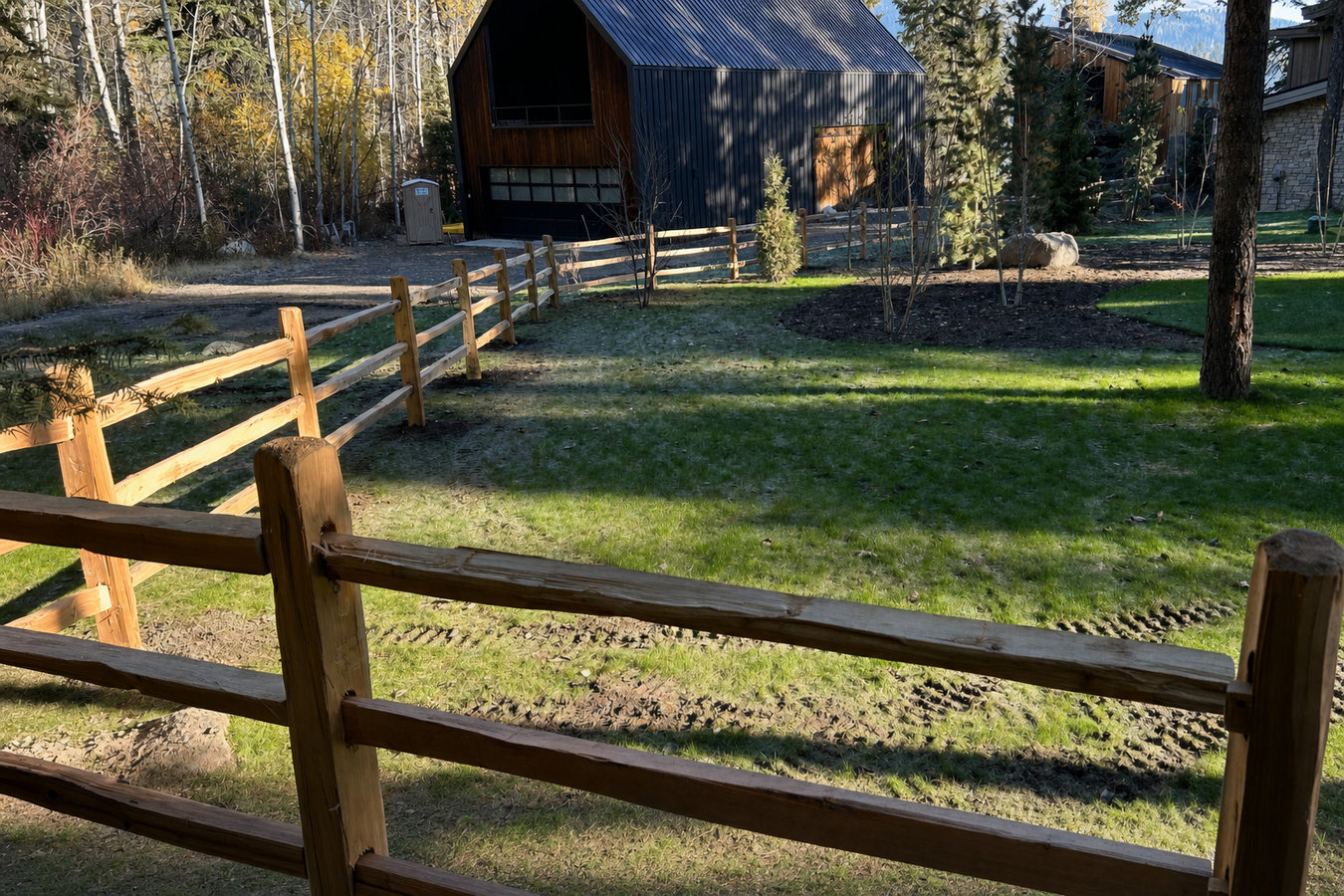
Southeast Texas clay soil, flooding, and Gulf Coast humidity make agricultural fencing here a different job than most places. We build fence lines that stay put through all of it.
Farm and ranch fencing in Beaumont, TX means selecting materials and post-setting methods matched to your livestock, land use, and Jefferson County's specific soil conditions, with most projects quoted after a free on-site property walk.
The right fence depends on what you are fencing in or out. Cattle, horses, goats, and hogs all require different materials, heights, and spacing. What works for one situation is often the wrong choice for another - and in Beaumont's clay-heavy soil, even a well-chosen material will fail early if the posts are not set deep enough and anchored correctly for the ground movement this region gets year-round.
If your agricultural land needs a perimeter fence alongside a working barn or property gate, our chain link fence installation service covers utility and security fencing that pairs well with agricultural perimeters. For families who also need pet or dog containment within the property, pet and dog fencing uses many of the same materials and post-setting techniques.
If posts that used to stand straight are now tilting or lifting, Beaumont's clay soil has likely shifted around them. This is especially common after a wet season followed by a dry stretch. A leaning post puts tension on the whole fence line, and the problem typically spreads if you wait.
Sagging wire means the fence has lost tension and is no longer containing what it is supposed to. It can happen because corner bracing has failed, posts have shifted, or the wire was never tensioned properly to begin with. Livestock find and exploit a sagging section quickly.
In Beaumont's humid climate, wood post decay starts at the soil line where moisture is most concentrated. Press a screwdriver against the base of a post - if it sinks in easily, the wood has lost its structural strength. A fence with rotting posts is a liability when livestock push against it.
If you have taken on horses or cattle for the first time, purchased additional acreage, or are separating pastures for rotational grazing, existing fence lines designed for a different use may not be right for your current situation. The materials, spacing, and height all change with the animals.
We install woven wire, barbed wire, high-tensile wire, and wood board fencing across Jefferson County and the surrounding Southeast Texas region, including electric fence installation for lighter containment needs. Every project starts with a property walk - we look at terrain, soil conditions, drainage, and any low spots that flood after heavy rain before recommending materials or quoting a price. Corner posts and bracing are built heavier than line posts because a weak corner brings the whole fence line down. Gate posts get extra bracing and concrete so the gate swings true and latches properly years from now, not just on installation day.
We confirm boundary markers before any post goes in the ground. A fence installed on the wrong side of a property line creates neighbor disputes that are expensive and stressful to resolve - and older rural properties in the Beaumont area are especially prone to informal fence lines that do not match the actual survey. If your property has a gate or automated entry point that needs to work with your new fence line, our pet and dog fencing and perimeter work can be coordinated together.
Best for operations with smaller livestock like goats, sheep, or calves, where a grid of horizontal and vertical wires keeps animals contained without barbs.
Best for cattle operations on larger acreage where cost per linear foot matters and the animals are not at risk from wire contact.
Best for horse properties, where barbed wire is a hazard - smooth high-tensile wire holds tension well and will not injure animals that make contact.
Best for horse paddocks and properties where appearance matters alongside function - pressure-treated boards hold up in Southeast Texas humidity better than untreated wood.
Jefferson County's expansive clay soil is one of the biggest challenges for any fence post in this region. Clay swells when it absorbs water and shrinks back when it dries - a cycle that repeats through every wet and dry stretch Beaumont gets, and it adds up. Posts that are not set deep enough or anchored in concrete for corner and gate locations will start to lean within a few seasons. Beaumont also gets roughly 55 inches of rain a year, with tropical storms capable of leaving standing water on low-lying pastures for days at a time. A fence contractor who has not worked in this environment does not yet know what they will find once a heavy rain comes through. Texas A&M AgriLife Extension provides research-based guidance on fencing for exactly these kinds of Southeast Texas conditions.
Homeowners and landowners around Lumberton deal with the same clay soil and drainage questions as Beaumont, and we work that area regularly. Further east, Silsbee has a strong agricultural presence with similar soil and flooding conditions along lower-lying parcels. The same post-depth standards, corner bracing, and material choices we apply in Beaumont travel with us to every agricultural job across Southeast Texas.
We ask a few basic questions - how many acres, what animals you have, and what the fence needs to do. You do not need all the answers ready - just describe what you are working with and we will take it from there. We reply within one business day.
We visit the property, walk the fence line, note drainage issues and low spots, check for obstacles, and look at your boundary markers before recommending anything. In Beaumont, a contractor worth hiring always asks about soil conditions on this visit.
After the property walk, you receive a written estimate that breaks out materials, labor, gates, and any additional costs like concrete for post anchoring. This is the right time to ask about post depth, corner bracing, and timeline - we welcome the questions.
Crews set corner and gate posts first, then run line posts, then stretch and attach wire or boards. When the work is done, we walk the fence line with you - check gate swing and latch, confirm wire tension, and answer any maintenance questions before we leave.
We reply to all new inquiries within one business day. For time-sensitive projects, call us directly at (409) 226-1232.
Free property walk, written estimate, and post anchoring designed for Beaumont's clay soil. No obligation.
(409) 226-1232Jefferson County's expansive clay is one of the leading causes of fence post failure in this region. We set posts to the correct depth and use concrete on corners and gate posts specifically to resist the seasonal soil movement Beaumont gets every year. It is the most important thing we do on every agricultural project.
We confirm your property line markers before any work begins. Older rural properties in the Beaumont area often have fence lines that were installed informally and do not match the actual survey - installing on the wrong boundary creates disputes that are far more expensive to resolve than getting it right from the start.
Barbed wire is appropriate for cattle but dangerous for horses. Goats and hogs need tighter mesh than field fence alone. We ask about your animals before ordering any materials so the fence is right for your specific operation - not a generic solution applied to every job. The American Fence Association sets professional standards for agricultural fence installation that guide our work.
Much of the land around Beaumont sits in or near flood-prone areas, and standing water after heavy rain is common across Jefferson County. We route fence lines to avoid the lowest spots where possible and recommend metal or concrete-set posts in areas that flood regularly so the fence stays put after storms, not just in dry weather.
Agricultural fencing in Southeast Texas comes down to decisions made before the first post goes in the ground - soil depth, material choice, corner bracing, and drainage routing. Getting those decisions right on day one is what separates a fence that lasts 20 years from one that needs significant repairs after the first wet season.
Secure containment fencing for dogs and household pets, designed to work within or alongside larger agricultural properties.
Learn MoreDurable utility fencing for farm perimeters, equipment areas, and storage yards across the Beaumont area.
Learn MoreFall booking fills up fast in Jefferson County - call today to schedule your free property walk and lock in your start date before the season gets away from you.